Βασικά συμπεράσματα
- Τι είναι το Fibermaxxing; : Μια τάση στα μέσα κοινωνικής δικτύωσης επικεντρώθηκε στη σημαντική αύξηση της ημερήσιας πρόσληψης ινών για τη μεγιστοποίηση των οφελών για την υγεία, όπως η βελτιωμένη πέψη, η υγεία του εντέρου και ο κορεσμός.
- Είναι απαραίτητο; Οι περισσότεροι άνθρωποι (πάνω από 90%) δεν λαμβάνουν αρκετές φυτικές ίνες, επομένως η αύξηση της πρόσληψης είναι ευεργετική, αλλά η προσέγγιση «maxxing» χρειάζεται προσοχή.
- Τα βασικά οφέλη: Μια δίαιτα με υψηλή περιεκτικότητα σε φυτικές ίνες υποστηρίζει την υγεία του εντέρου (τροφοδοτεί καλά βακτήρια), προάγει την κανονικότητα, βοηθά στη διαχείριση του βάρους, βοηθά στην εξισορρόπηση του σακχάρου στο αίμα και υποστηρίζει την υγεία της καρδιάς.
- Πώς να το κάνετε με ασφάλεια: Αυξήστε την πρόσληψη φυτικών ινών σταδιακά, πίνετε άφθονο νερό και λαμβάνετε φυτικές ίνες από διάφορες πηγές (διαλυτές και αδιάλυτες) όπως φρούτα, λαχανικά, όσπρια, δημητριακά ολικής αλέσεως, ξηρούς καρπούς και σπόρους.
Από την τάση στη διατροφική στρατηγική
Τα μέσα κοινωνικής δικτύωσης και τα διαδικτυακά ιστολόγια έχουν πολλά να πουν για το fibermaxxing, αλλά τι είναι το fibermaxxing; Με απλά λόγια, το fibermaxxing είναι μια πρακτική σταδιακής κατανάλωσης μεγάλων ποσοτήτων ινών προκειμένου να μεγιστοποιηθούν τα οφέλη για την υγεία που προσφέρει σε διάφορες πτυχές της συνολικής ευεξίας.
Λοιπόν, από πού προήλθε αυτή η ιδέα της μεγιστοποίησης της πρόσληψης φυτικών ινών; Δεν υπάρχει πραγματική συναίνεση για το ποιος ξεκίνησε την τάση, αλλά άρχισε να κυριαρχεί γύρω στο καλοκαίρι του 2025 και γρήγορα συγκέντρωσε πολλή προσοχή σε διάφορες πλατφόρμες. Αλλά το fibermaxxing είναι κάτι περισσότερο από μια μεταβατική τάση - είναι μια διατροφική στρατηγική που υποστηρίζεται από την επιστήμη και αξίζει να εξεταστεί ως μέρος της καθημερινής σας θεραπείας υγείας.
Πόσο «Maxxing» είναι πάρα πολύ?
Η ατυχής αλήθεια είναι ότι το «υπερβολικό» δεν είναι συνήθως το ζήτημα όταν πρόκειται για την πρόσληψη φυτικών ινών. Στην πραγματικότητα, πάνω από το 90% των γυναικών και το εκπληκτικό 97% των ανδρών δεν λαμβάνουν την ημερήσια συνιστώμενη πρόσληψη διαιτητικών ινών. Αυτό δεν πρέπει να αποτελεί έκπληξη, δεδομένου ότι περίπου το 85% των ενηλίκων υποκαταναλώνουν επίσης φρούτα, λαχανικά και δημητριακά ολικής αλέσεως στην καθημερινή διατροφή τους.
Μια δίαιτα με υψηλή περιεκτικότητα σε φυτικές ίνες έχει από καιρό συνδεθεί με μια ποικιλία οφελών για την υγεία, από την πεπτική και την ανοσολογική ευεξία έως τα γνωστικά οφέλη και ακόμη και την υποστήριξη για υγιή γήρανση και διαχείριση βάρους. Παρόλα αυτά, μπορεί να υπάρχει κάτι τέτοιο όπως η κατανάλωση πάρα πολλών ινών, ειδικά ταυτόχρονα.
Όσον αφορά την αύξηση των ινών, ο στόχος είναι τα οφέλη των διαιτητικών ινών που προέρχονται από την υγιεινή κατανάλωση. Όταν ένα άτομο παίρνει μια ξαφνική υπερβολική ποσότητα ινών, μπορεί να παρουσιάσει δυσάρεστες παρενέργειες, όπως πεπτική δυσφορία, δυσκοιλιότητα και άλλες ανησυχίες.2
Αυτά μπορούν να αποφευχθούν αν το κάνετε αργά και εύκολα στην αρχή και προχωρώντας σε υψηλότερες προσλήψεις με την πάροδο του χρόνου.
Γιατί οι ίνες έχουν σημασία για την υγεία
Οι ίνες είναι μια πηγή διατροφής που προσφέρει μια ποικιλία πλεονεκτημάτων, μερικά από τα οποία εξαρτώνται από το είδος των ινών που καταναλώνετε (διαλυτές έναντι αδιάλυτων).
Διαλυτό vs. Αδιάλυτες ίνες: Τι κάνουν
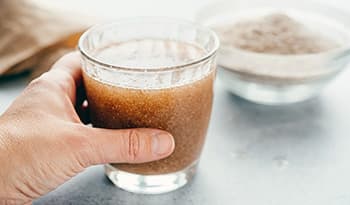
Οι ίνες διατίθενται σε δύο μορφές: διαλυτές και αδιάλυτες, οι οποίες είναι και οι δύο σημαντικές για την υγεία. Η διάκριση σχετίζεται με το πώς κάθε τύπος αλληλεπιδρά με το νερό. Οι διαλυτές ίνες μετατρέπονται σε ουσία που μοιάζει με πηκτή όταν διαλύονται σε νερό. Αυτό του επιτρέπει να επιβραδύνει την πέψη και συνεπώς να υποστηρίζει την κανονικότητα και άλλες πτυχές της ευεξίας, όπως η παραγωγή λιπαρών οξέων βραχείας αλυσίδας (SCFAs) στο παχύ έντερο. Παραδείγματα μπορεί να περιλαμβάνουν ορισμένα φρούτα και λαχανικά, μαζί με βρώμη και φασόλια και συμπληρώματα φλοιού ψύλλιου.
Αντίθετα, οι αδιάλυτες ίνες δεν διαλύονται στο νερό, προκαλώντας την «συσσώρευση» τους. Αυτό επιταχύνει την πέψη και υποστηρίζει την κανονικότητα, αν και με διαφορετικό τρόπο από τις διαλυτές ίνες. Παραδείγματα θα περιλαμβάνουν δημητριακά ολικής αλέσεως, ξηρούς καρπούς, σπόρους chia και ορισμένα λαχανικά όπως το κουνουπίδι.
Οφέλη από ίνες: έντερο, βάρος, σάκχαρο αίματος
Οι διαλυτές ίνες είναι μια καλή επιλογή για την υγεία του εντέρου καθώς υποστηρίζουν την εντερική ακεραιότητα και δρουν ως πρεβιοτικό για την προώθηση του πολλαπλασιασμού των ευεργετικών βακτηρίων (τροφή για προβιοτικά). Οι διαλυτές ίνες συμβάλλουν επίσης στην υγεία της καρδιάς υποστηρίζοντας τα φυσιολογικά επίπεδα χοληστερόλης και μειώνοντας την ικανότητα του σώματος να απορροφά ανθυγιεινά λίπη κατά τη διάρκεια της πέψης.3 Προωθεί υγιή επίπεδα γλυκόζης βοηθώντας στην επιβράδυνση της απορρόφησης των σακχάρων3 και βοηθά στη διαχείριση του βάρους υποστηρίζοντας τα συναισθήματα κορεσμού ή πληρότητας.
Οι αδιάλυτες ίνες ενθαρρύνουν επίσης την υγεία του εντέρου προάγοντας τη σωστή αποβολή, υποστηρίζοντας την ευεξία του παχέος εντέρου,2 και χρησιμεύοντας ως πρεβιοτική πηγή διατροφής για την ενίσχυση της ισορροπίας και της ζωτικότητας του μικροβιώματος του εντέρου.
Πώς να χρησιμοποιήσετε το Fibermaxx με ασφάλεια
Εάν σκέφτεστε να προσθέσετε μια ρουτίνα fibermaxx στο καθημερινό σας πρόγραμμα υγείας, ακολουθούν μερικά βήματα για να διασφαλίσετε το μέγιστο όφελος και τη βιωσιμότητα.
Βήμα 1: Αυξήστε σταδιακά
Το μυστικό για να απολαύσετε τα οφέλη του fibermaxxing είναι να γνωρίζετε πώς να αυξήσετε τις ίνες με υγιή ρυθμό. Πολύ νωρίς μπορεί να οδηγήσει σε δυσφορία και άλλα πεπτικά προβλήματα. Για τους άνδρες κάτω των 50 ετών, συνιστώνται 38 g φυτικών ινών καθημερινά.3 Για τις γυναίκες κάτω των 50 ετών, είναι 25 γραμμάρια φυτικών ινών ημερησίως.3 Θεωρήστε αυτούς τους αριθμούς ως γενικούς δείκτες αναφοράς ή στόχους. Αξιολογήστε την τρέχουσα ημερήσια πρόσληψη ινών και εργαστείτε από εκεί. Όπως πάντα, συμβουλευτείτε έναν γιατρό πριν ξεκινήσετε οποιοδήποτε νέο σχήμα υγείας.
Βήμα 2: Ενυδατώστε σωστά
Η σημασία της επαρκούς ενυδάτωσης, ειδικά όταν γίνεται χρήση ινών, δεν μπορεί να υπερεκτιμηθεί. Είτε διαλυτή είτε αδιάλυτη, η ανεπαρκής ενυδάτωση σε συνδυασμό με υψηλή περιεκτικότητα σε φυτικές ίνες είναι μια συνταγή για πεπτική δυσφορία και πιθανώς περισσότερο. Αλλά η ενυδάτωση δεν αφορά μόνο την αποφυγή παρενεργειών φυτικών ινών, αλλά χρησιμεύει επίσης για την ενίσχυση των πλεονεκτημάτων των δίαιτων με υψηλή περιεκτικότητα σε φυτικές ίνες.
Βήμα 3: Διαφοροποιήστε τις πηγές ινών σας
Το σημαντικό πράγμα που πρέπει να θυμάστε είναι να παρέχετε στο σώμα σας ποιότητα έναντι της ποσότητας. Μια ποικιλία από ολόκληρες τροφές σε μια ισορροπημένη διατροφή, συνοδευόμενη από πηγές συμπληρωμάτων, ξεπερνά μια μεγάλη δόση ινών χαμηλότερης ποιότητας κάθε μέρα.
Ρόλος των συμπληρωμάτων ινών και των ολόκληρων τροφίμων
Η αύξηση της ημερήσιας πρόσληψης φυτικών ινών μπορεί να υποστηριχθεί από ποιοτικά συμπληρώματα ινών, αλλά είναι σημαντικό να θυμάστε ότι τα συμπληρώματα προορίζονται να συμπληρώσουν τη διατροφή σας, όχι να την αντικαταστήσουν. Προσπαθήστε να απλώσετε μια ποικιλία τροφών υψηλής περιεκτικότητας σε φυτικές ίνες όλη την ημέρα σας για να δώσετε στο σώμα σας μια σταθερή ροή διατροφής και υποστήριξης.
Προσέξτε να αυξήσετε την καθημερινή σας κατανάλωση ολόκληρων τροφίμων όπως μούρα, φρούτα, φασόλια και λαχανικά. Αυτά θα παρέχουν στο σώμα σας φυσικές πηγές διαλυτών και αδιάλυτων ινών. Συμπληρώματα ινών μπορούν να προστεθούν παράλληλα με αυτές τις επιλογές τροφίμων για να αυξήσουν τη διατροφική υποστήριξη που λαμβάνει το σώμα σας κάθε μέρα.
Κοινά λάθη Fibermaxxing + Πώς να τα αποφύγετε
Το Fibermaxxing σίγουρα παίζει ρόλο στη συνολική ευεξία σας, αλλά υπάρχουν μερικά πράγματα που πρέπει να θυμάστε για να διασφαλίσετε ότι θα απολαύσετε όλα τα οφέλη.
Πάρα πολύ γρήγορα → Αέριο & Φούσκωμα
Το να χαλαρώσετε σε μια δίαιτα με υψηλή περιεκτικότητα σε φυτικές ίνες είναι ο καλύτερος τρόπος, καθώς η εισαγωγή υπερβολικής ποσότητας φυτικών ινών πολύ γρήγορα μπορεί να οδηγήσει σε μια σειρά από δυσάρεστες παρενέργειες, όπως αέρια, φούσκωμα ή άλλα πεπτικά προβλήματα.
Παρεμβολή θρεπτικών συστατικών
Μερικοί άνθρωποι μπορεί να βιώσουν μια παρενέργεια φυτικών ινών γνωστή ως παρεμβολή θρεπτικών συστατικών εάν καταναλώνουν πάρα πολλές φυτικές ίνες. Σε ένα τέτοιο σενάριο, η υψηλή ποσότητα φυτικών ινών στη διατροφή τους μπορεί να συνδεθεί με ορισμένα σημαντικά μέταλλα, συμπεριλαμβανομένου του ασβεστίου ή του μαγνησίου, και να αποτρέψει την απορρόφησή τους από το σώμα εξίσου αποτελεσματικά.4 Αυτό μπορεί να αποφευχθεί εστιάζοντας σε τροφές με υψηλή περιεκτικότητα σε φυτικές ίνες, όπως ξηροί καρποί ή φρούτα, που συχνά είναι επίσης υψηλά σε βασικά μέταλλα.
Ημέρα δειγμάτων υψηλής περιεκτικότητας σε ίνες
Η προσθήκη φυτικών ινών στην καθημερινή διατροφή σας δεν είναι μόνο εύκολη - είναι επίσης νόστιμη! Υπάρχουν πολλές συνταγές υψηλής περιεκτικότητας σε φυτικές ίνες διαθέσιμες για να σας βοηθήσουν να βεβαιωθείτε ότι παίρνετε αρκετά. Το κλειδί είναι να το απλώσετε κατά τη διάρκεια της ημέρας σας για να διατηρήσετε τη ρουτίνα σας φρέσκια και βιώσιμη.
Πρωινό, μεσημεριανό γεύμα, δείπνο + σνακ με αριθμό ινών
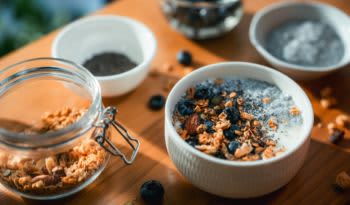
Για παράδειγμα, μια μέρα με φυτικές ίνες μπορεί να ξεκινήσει με μερικά δημητριακά νιφάδων πίτουρου (5,5 g φυτικών ινών ανά 3/4 φλιτζάνι) ή ένα μπολ με πλιγούρι βρώμης (4 g ανά φλιτζάνι) με βατόμουρα (3,6 g ανά φλιτζάνι) ή φράουλες (3 g ανά φλιτζάνι).5 Πασπαλίστε με μερικούς σπόρους chia (4,1 g ανά κουταλιά της σούπας) για επιπλέον ενίσχυση των ινών. Μιλήστε για έναν γεμάτο και πλούσιο σε φυτικές ίνες τρόπο για να ξεκινήσετε τη μέρα σας!
Το μεσημέρι, απολαύστε μια μεγάλη σαλάτα με ανάμεικτα χόρτα μαζί με μια πηγή πρωτεΐνης και μερικά μαύρα φασόλια (7,5 g φυτικών ινών ανά 1/2 φλιτζάνι) ή ίσως μερικά ρεβίθια (6,3 g ανά 1⁄2 φλιτζάνι). Ένα αβοκάντο (6 g ανά 1/2 φλιτζάνι) είναι επίσης μια γευστική πλευρά.5
Αν χρειάζεστε ένα σνακ το απόγευμα, ένα μήλο (4,8 g φυτικών ινών ανά μέτριο μήλο με φλούδα) ή μια μπανάνα (3,2 g) με μια χούφτα ξηρούς καρπούς ή βούτυρο ξηρών καρπών είναι μια εξαιρετική επιλογή και το ποπ κορν (5,8 g φυτικών ινών ανά τρία φλιτζάνια) είναι πάντα διασκεδαστικό. Ακόμη και μερικά κράκερ ολικής αλέσεως παρέχουν 2,8 g ινών ανά ουγγιά.5
Ολοκληρώνοντας την ημέρα κατά το δείπνο, ενσωματώστε ένα δημητριακό ολικής αλέσεως όπως η κινόα μαζί με μερικά πράσινα φασόλια (4 g φυτικών ινών ανά φλιτζάνι) ή προσθέστε λίγο κρεμμύδι (2,9 g ανά φλιτζάνι) για ένα νόστιμο γεύμα. Οι κόκκινες πιπεριές (3,1 g ανά φλιτζάνι) μπορούν επίσης να προσθέσουν μια πινελιά χρώματος στο τραπέζι σας, ενώ μια μέτρια ψημένη πατάτα με φλούδα (3,9 g) ή μια γλυκοπατάτα (6,3 g) είναι πάντα δημοφιλής.5
Όπως κι αν επιλέξετε να ενσωματώσετε περισσότερες φυτικές ίνες στη διατροφή σας, απλώς θυμηθείτε να το διατηρείτε απλό, διασκεδαστικό και να είστε ήσυχοι με τον εαυτό σας καθώς το σώμα σας προσαρμόζεται.
Συμπέρασμα + Εξυπνότερη λειτουργία Fibermaxxing
Το Fibermaxxing δεν υποστηρίζεται μόνο από επιστημονική έρευνα, είναι επίσης ένας πολύ καλός τρόπος για να υποστηρίξετε τη γενική υγεία και ευεξία σας. Λαμβάνοντας μια ισορροπημένη προσέγγιση και αποφεύγοντας τα άκρα, μπορείτε να υποστηρίξετε την υγεία σας από σήμερα και για πολλά χρόνια ακόμα!
*Αυτές οι δηλώσεις δεν έχουν αξιολογηθεί από την Υπηρεσία Τροφίμων και Φαρμάκων. Αυτά τα προϊόντα δεν προορίζονται για τη διάγνωση, τη θεραπεία, τη θεραπεία ή την πρόληψη οποιασδήποτε ασθένειας.
Αναφορές:
- Διατροφικές οδηγίες για Αμερικανούς. 2020-2025. USDA. Δείτε την πηγή
- Διαιτητικές ίνες: Απαραίτητες για μια υγιεινή διατροφή. Δεκέμβριος 2024. Κλινική Mayo. Πρόσβαση τον Οκτώβριο του 2025. Διαβάστε την πηγή
- Ποια είναι η διαφορά μεταξύ διαλυτών και αδιάλυτων ινών; Φεβρουάριος 2021. Κλινική του Κλίβελαντ. Πρόσβαση τον Οκτώβριο του 2025. Διαβάστε την πηγή
- Σαχ, Μ., και συν. (2009). Φροντίδα διαβήτη, 32 (6), 990—995. Διαβάστε την πηγή
- Πηγές τροφίμων διαιτητικών ινών. Τρέχουσες διατροφικές οδηγίες. Πρόσβαση τον Οκτώβριο του 2025. Δείτε την πηγή
ΑΠΟΠΟΙΗΣΗ ΕΥΘΥΝΗΣ:
Αυτές οι δηλώσεις δεν έχουν αξιολογηθεί από τον Οργανισμό Τροφίμων και Φαρμάκων (FDA) των ΗΠΑ. Τα προϊόντα αυτά δεν προορίζονται για τη διάγνωση, τη θεραπεία ή την πρόληψη οποιασδήποτε νόσου.


























































 Πίνακας περιεχομένων